

Good
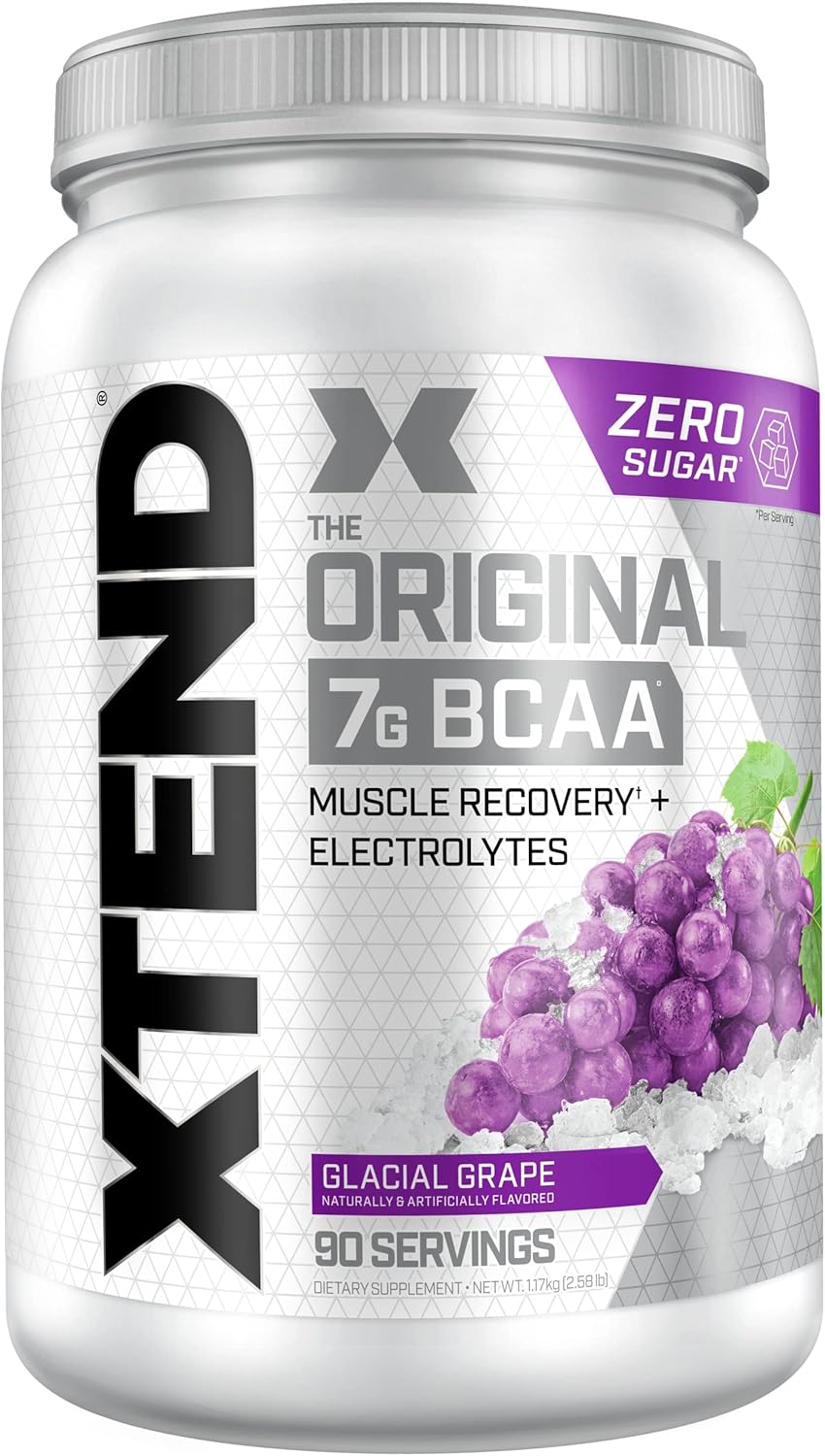
In addition to being a ketogenic amino acid L-isoleucine is also classified as glucogenic. This means that it is functionally necessary to help produce glucose from non-carbohydrate substances in the body. Without this glucogenic synthesis, glucose levels in the blood would fall to dangerously low levels. This is of special concern during periods of strenuous exercise where energy sources are being used up much more quickly than normal.<br />According to some in the industry L-isoleucine is most effective as a supplement in terms of boosting energy and increasing endurance. This makes sense when you consider that the synthesis of glucose from non-carbohydrates would accomplish both of those things. That said, there's no clear understanding of how much L-isoleucine is needed before it results in a measurable benefit. It is known that a lack of this amino acid can result in a condition known as hypoglycemia, among other things.<br />Lastly, researchers and industry experts believe L-isoleucine helps to promote the rebuilding and repair of muscle tissue in the hours immediately after a workout. However, L-isoleucine's catabolic properties mean that it should work in just the opposite way. Nonetheless, supplement makers stand by it as an affective amino acid for muscle rebuilding.
